Romania extends cap on basic food markups to June 2027
Romania’s government has extended by six months the cap on commercial markups for basic foodstuffs, now running to 30 June 2027, Agriculture Minister Florin Barbu announced on Thursday, 26 November 2026, according to HotNews and Mediafax. The measure had been due to expire at the end of December 2026. At a press conference, Barbu also accused retailers and processors of “unfair commercial practices”, HotNews reported.
What was decided
The government approved a normative act at its Thursday meeting that pushes the end date of the cap on markups for basic foods to 30 June 2027, HotNews reported. Barbu announced the decision on Facebook and said the goal is to protect the purchasing power of people with low and middle incomes. He also said it should stop large markups being applied to Romanian farm products compared with similar imports, according to HotNews and Gândul.
New Money reported that the government approved four measures at the same session. Besides the markup cap, they were an aid package of more than 314 million lei for farmers facing higher fertiliser costs, 2 million lei for breeders of Bazna and Mangalița pigs, and a one-year extension of the licensing regime for agri-food imports from Ukraine, to 31 December 2027.
Asked whether new products would join the list, Barbu said not for now, New Money reported: the extension covers only the existing basic-food list.
Background: how the cap works
According to HotNews, the markup cap was introduced in 2023 under the Ciolacu government. None of the articles reviewed gave an exact start date. Mediafax cited June 2023 as the reference point, when it said general inflation stood at 10% and food inflation at 17%.
The cap does not fix shelf prices. News outlet Stiri pe Surse, describing the ministry’s draft emergency ordinance published on 25 November, said it limits margins to 5% cumulatively across the distribution chain and 20% at retail. New Money described the split differently, reporting 20% for processors, 5% for retail chains and 20% for distributors. It said this means shop prices can be at most 51.2% above production cost. The accounts differ, and this article could not check them against the text of the ordinance.
Barbu gave his own description. He said the markup is calculated product by product, with processors and retailers including all direct and indirect costs, and that it amounts to a 20% net markup, which he called net profit, according to HotNews and Mediafax.
The cap covers 17 product categories, HotNews and New Money reported. They include plain white bread, 1-litre cow’s milk that is not UHT, telemea cheese, yogurt, white flour, cornmeal, eggs, sunflower oil, fresh chicken and pork cuts, loose vegetables and fruit, white potatoes, sugar, sour cream, butter and jam. Many entries carry size or fat-content limits in the list.
Barbu’s criticism and what happens next
Barbu said the government does not want to intervene in the market, supports trade within the European Union and does not oblige anyone to buy Romanian products, HotNews reported. He objected to what he described as a 100% markup on Romanian products at shelf level, against 18% or 20% on imports. Mediafax quoted him saying domestic products can carry markups of up to 100%.
On next steps, HotNews reported that Barbu will meet the head of the Competition Council next week. The two sides will jointly look at whether such practices occur in Romania, and he expects a clear report to be presented to the government. Gândul reported that he asked the Competition Council, the tax authority ANAF and the National Institute of Statistics to evaluate the markup mechanism and produce a report. Mediafax said the analysis will also consider whether the cap could be extended to other domestic products.
The articles reviewed did not name the number of the legal act that was adopted. Stiri pe Surse reported that the draft emergency ordinance was in public consultation on 25 November, before the government meeting. The official text, in the Official Gazette or on the government’s site, was not located for this article.
What it means for Romania
The extension keeps the existing 17-product list under the cap for another six months, according to the sources above. Whether and how the review announced by Barbu changes the mechanism will depend on the report he said he expects to present to the government. None of the sources gave a timeline for it.
Created with AI assistance from the sources listed below.
Sources: Extension to 30 June 2027, Barbu’s criticism, 17-product list, Competition Council meeting: Guvernul a prelungit plafonarea adaosului la alimentele de bază. Ministrul Barbu acuză practici comerciale neloiale, HotNews, 26 Nov 2026.
Six-month extension, 20% net markup, June 2023 baseline, review of other products: Plafonarea adaosului comercial la alimentele de bază, prelungită cu încă șase luni, Mediafax, 26 Nov 2026.
Review by Competition Council, ANAF and INS; Ukraine import licences: Plafonarea adaosului comercial la alimentele de bază a fost prelungită cu încă 6 luni, Gândul, 26 Nov 2026.
Four measures, aid package, margin breakdown and 51.2% figure: Plafonarea adaosului comercial pentru alimentele de bază, prelungită până la 30 iunie 2027, New Money, 26 Nov 2026.
Draft ordinance, 5% cumulative and 20% retail margins: Ce se va întâmpla cu prețurile alimentelor după 1 ianuarie 2027?, Stiri pe Surse, 25 Nov 2026.
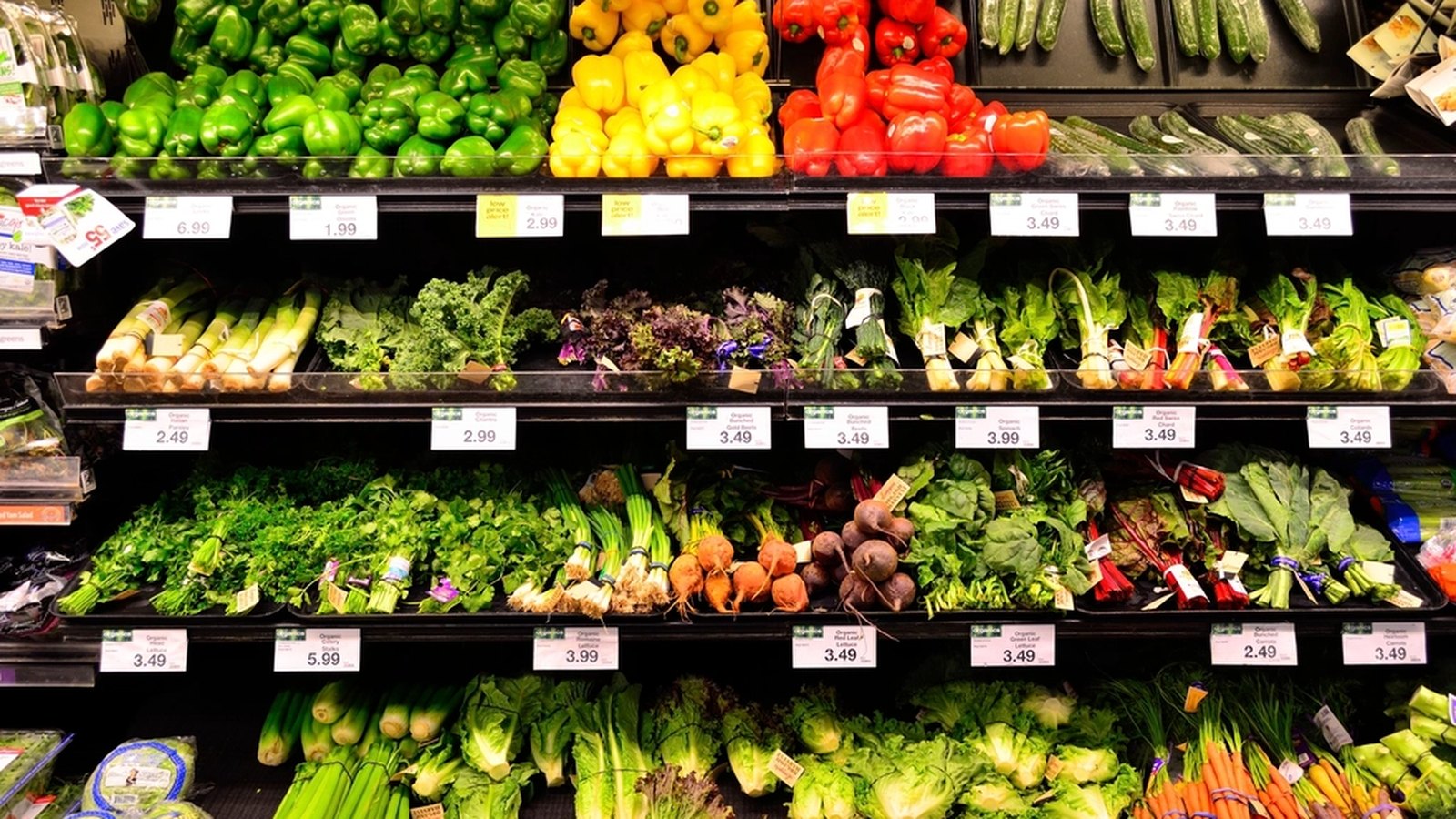
Header photo: Vegetables in a supermarket by unknown author, CC0, via Rawpixel, cropped.
We use AI in our daily operations; posts are reviewed by people before publishing; automated/generated posts are marked as such where needed.