Over 100 Health Benefits of Aronia Juice: A Superfood for Every Need
Aronia juice, made from aronia berries, has become one of the most talked-about “superfoods” in wellness circles, popular for its dense antioxidant, vitamin, and nutrient content. Below is a rundown of the properties people commonly associate with aronia juice, drawn from what fans of the drink and some preliminary research report — not medical claims of effect.
1. Diabetes & Blood Sugar
People managing blood sugar sometimes include aronia juice in their diet, pointing to its antioxidant content; it is not a treatment for diabetes and does not replace prescribed care.
2. Blood Pressure
Some people interested in cardiovascular wellness drink aronia juice as part of their routine, citing its role in supporting circulation, though it is not a treatment for high blood pressure.
3. Cardiovascular Health
Aronia juice is popular among people focused on heart health because of its anti-inflammatory and antioxidant compounds; it is not a substitute for medical care for heart disease.
4. Cholesterol Levels
The polyphenols in aronia juice are often mentioned in wellness discussions about cholesterol, though claims about LDL and HDL effects are not established medical fact.
5. Digestive Health & Bowel Movement
The fiber content in aronia juice is one reason some people drink it as part of a diet aimed at supporting digestion.

6. Detoxification & Allergy Relief
Aronia juice is sometimes included in “detox” diets, and some people report using it around allergy season, though these are traditional or anecdotal uses rather than proven effects.
7. Weight Management
Its fiber and antioxidant content is one reason some people include aronia juice in weight-management routines aimed at satiety.
8. Stress, Anxiety & Mood
People dealing with stress sometimes report turning to aronia juice as part of a broader wellness routine; it is not a treatment for anxiety or depression, which should be addressed with a healthcare professional.
9. Brain Health & Cognitive Function
Aronia juice’s antioxidant compounds are of interest to researchers studying oxidative stress and brain aging, though it is not a treatment or prevention for neurodegenerative disease.
10. Eye Health
Some people drink aronia juice for its vitamin C and antioxidant content, associating it with general eye health support rather than treatment of eye conditions.
11. Immune Support
Aronia juice is a source of vitamin C, which is why it is popular among people looking to support their immune system, particularly during cold and flu season.
12. Cold & Flu Season
Its vitamin C and antioxidant content is one reason some people reach for aronia juice when they have a cold, though it is not a treatment for cold or flu.
13. Urinary Tract Health
Some people associate berry juices like aronia with urinary tract health; it is not a treatment for urinary tract infections, which require medical care.
14. Inflammation
Aronia juice contains compounds studied for anti-inflammatory activity, which is why it is popular among people managing everyday inflammation-related discomfort; it is not a treatment for arthritis or heart disease.
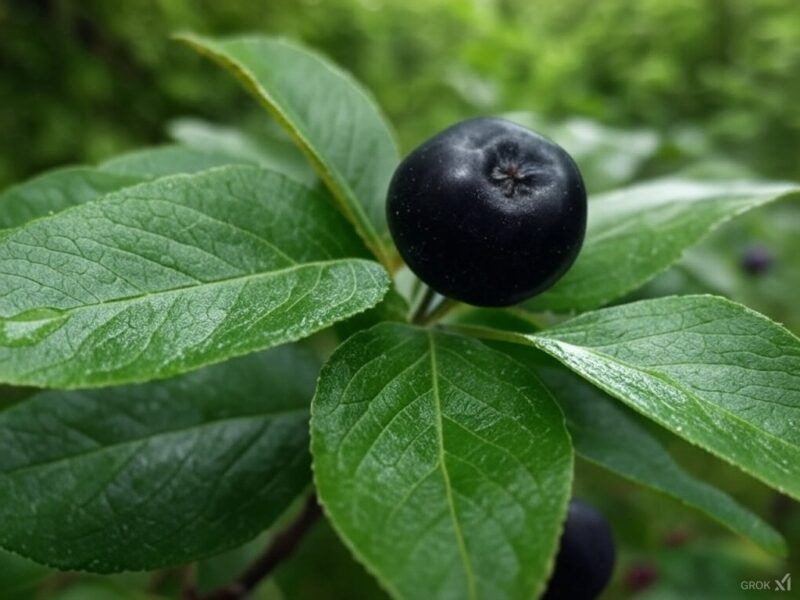
15. Antioxidant Content
Aronia juice is prized for its anthocyanin content, a class of antioxidants studied for their role in reducing oxidative stress at the cellular level.
16. Electromagnetic Exposure
Some wellness sources associate the antioxidants in aronia juice with protection from electromagnetic radiation; this claim is not scientifically established.
17. Skin
Aronia juice is popular among people interested in skin health, who associate its antioxidants with supporting collagen and reducing visible signs of aging.
18. Bone Health
Aronia juice contains calcium, magnesium, and vitamin K, nutrients generally associated with bone health as part of a balanced diet.
19. Liver Support
Some people include aronia juice in “liver support” routines, associating it with the body’s natural detoxification processes; it is not a treatment for liver disease.
20. Ongoing Cancer Research
Aronia’s antioxidant compounds are the subject of early laboratory research into oxidative cell damage. Aronia juice is not a cancer treatment or prevention, and anyone with cancer should follow their oncologist’s guidance.
21. Respiratory Comfort
Some people associate aronia juice with respiratory comfort, though it is not a treatment for lung conditions.
22. Circulation
Aronia juice is popular among people interested in circulation and energy levels, linked to its effect on blood vessel health.
23. Exercise Recovery
Some athletes report drinking aronia juice after exercise, associating its antioxidant content with recovery from soreness.
24. Hydration
Aronia juice is a way for some people to combine hydration with an antioxidant-rich drink.
25. Blood Clot Risk
Aronia juice’s compounds are studied in relation to circulation, but it is not a treatment or prevention for blood clots, deep vein thrombosis, or stroke — conditions that require medical management.
26. Lymphatic Wellness
Some wellness routines include aronia juice as part of supporting lymphatic drainage, a traditional rather than clinically proven use.
27. Hair Health
People interested in hair health sometimes point to the nutrients in aronia juice, associating them with nourished hair follicles and scalp circulation.
28. Aging
Aronia juice’s antioxidant content is popular among people interested in general anti-aging routines.
29. Hormonal Balance
Some people associate aronia juice’s anti-inflammatory and antioxidant properties with hormonal wellness, though this is not a treatment for hormonal conditions.
30. Metabolism
Aronia juice is included by some in routines aimed at supporting metabolism and energy use as part of a balanced diet.
Aronia juice is more than just a tasty beverage — it has built a reputation as a wellness staple across many communities, valued for its antioxidant content and traditional uses. From heart health to immune support, aronia juice is often described by its fans as a flavorful addition to a healthy diet. As with any dietary change, it is worth discussing with a healthcare provider, especially for anyone managing a medical condition.
This article is for information only and is not medical advice. Consult a doctor for any health concern.
We use AI in our daily operations; posts are reviewed by people before publishing; automated/generated posts are marked as such where needed.