What counts as “high-risk” AI under the EU’s AI Act, and what rules apply
category: articles
The European Union’s AI Act sorts artificial intelligence systems into tiers of risk, and the tier carrying the heaviest paperwork — “high-risk” — covers tools used in hiring, credit scoring, policing, education, migration and critical infrastructure. Regulators are still finishing guidance on which systems fall into that category, and the compliance deadline for most of them has just been pushed back by more than a year.
A four-tier risk ladder
According to the European Commission’s page on the regulatory framework for AI, the Act sorts AI systems into four risk levels: unacceptable risk, high-risk, limited (transparency) risk, and minimal or no risk. Most AI applications used in the EU fall into the minimal-risk category and face no new obligations. The Act bans nine specific “unacceptable risk” practices, such as harmful manipulation and social scoring; eight of those bans took effect in February 2025, while the ninth, covering non-consensual intimate deepfake content and child sexual abuse material, applies from December 2026.
High-risk systems sit one step below an outright ban — they remain legal but are subject to the law’s strictest compliance regime before they can be placed on the EU market.
What Annex III actually lists
A system becomes “high-risk” through one of two routes set out in Article 6, according to the European Commission’s AI Act service desk: as a safety component in products already regulated under EU product-safety law (Annex I), such as machinery or medical devices, or through Annex III, which lists use cases automatically treated as high-risk.
Drawing on the Annex III categories as summarized by the EU-focused policy tracker artificialintelligenceact.eu, those use cases include: biometric identification and categorization (remote biometric identification and emotion recognition, though one-to-one identity verification is excluded); AI managing critical infrastructure such as electricity, gas, water, heating and road traffic; education systems deciding access to institutions, grading exams or monitoring students during tests; employment systems used to target job ads, filter applications, evaluate candidates or monitor worker performance; systems deciding eligibility for essential public or private services, including credit scoring (apart from fraud-detection tools) and insurance-risk pricing; law-enforcement tools assessing reoffending or victimization risk, evaluating evidence or supporting criminal profiling; migration and border-control systems used for visa, asylum or risk assessments; and tools used in the administration of justice or in processes that could influence elections.
Article 6(3) adds a filter that can take a listed system out of the high-risk category if it does not pose a significant risk to health, safety or fundamental rights — for example because it performs only a narrow procedural task, improves the output of work a human has already completed, or detects patterns without replacing human judgment. The Commission’s draft guidance, published for feedback on May 22, 2026 and reported by the law firm Debevoise & Plimpton, illustrates this with HR examples: a tool that ranks, scores or shortlists candidates is high-risk, while one that merely schedules interviews, verifies credentials or parses CVs into a database is not. Systems that perform profiling of individuals, however, remain high-risk regardless of this filter.
What providers of a high-risk system must do
Providers that place a high-risk AI system on the EU market face a compliance package drawn from Chapter III of the Act, summarized by artificialintelligenceact.eu: a risk-management system running through the product’s lifecycle; data-governance practices to keep training and testing data representative and free of errors; detailed technical documentation; automatic logging of safety-relevant events; instructions enabling deployers to comply with their own obligations; human-oversight features; defined levels of accuracy, robustness and cybersecurity; a conformity assessment culminating in a CE mark and an EU declaration of conformity; and registration in a centralized EU database before the system goes into service, as required under Article 49.
The phase-in timeline — and a mid-2026 delay
The Commission’s regulatory-framework page lays out the broad schedule: the prohibited-practices rules took effect in February 2025; obligations for general-purpose AI (GPAI) model providers, covering transparency and copyright-related disclosures, became applicable in August 2025, supported by guidelines, a voluntary code of practice and a training-data-summary template.
High-risk obligations were originally due to apply from August 2, 2026 for stand-alone Annex III systems and from August 2, 2027 for AI embedded in regulated products under Annex I. That changed in 2026: according to the law firm Gibson Dunn, EU institutions reached a provisional political agreement on a “Digital Omnibus” simplification package on May 6, 2026, later confirmed by member states, pushing the Annex III deadline — including EU database registration — to December 2, 2027, and the Annex I deadline to August 2, 2028. The deferral came bundled with other changes, per Gibson Dunn: the Commission gained power to reduce duplicate requirements where sectoral product-safety law already applies; the “safety component” definition was narrowed so AI used only for convenience or optimization no longer automatically triggers high-risk status; the EU AI Office’s enforcement powers were expanded; and the sandbox deadline for member states moved a year later, to August 2, 2027. Article 50 transparency obligations, covering disclosure of AI-generated or manipulated content, were unaffected and remain on the original August 2, 2026 timeline.
Where things stand now
As of this writing, the Commission’s draft guidance on high-risk classification remains open for stakeholder feedback, a sign regulators are still clarifying borderline cases ahead of the new December 2027 deadline. Businesses deploying tools in the listed sectors — recruitment, lending, policing, education, infrastructure and migration — now have more time to build out risk-management, documentation and registration processes, but the classification rules and obligations themselves have not been removed, only rescheduled.
Sources: European Commission: EU Artificial Intelligence Act – regulatory framework.
Gibson Dunn: EU AI Act Omnibus Agreement — Postponed High-Risk Deadlines and Other Key Changes.
Debevoise & Plimpton: EU AI Act High-Risk AI Systems: EU Commission Publishes Draft Guidance.
artificialintelligenceact.eu: High-level summary of the AI Act.
European Commission AI Act Service Desk: Article 6 — Classification rules for high-risk AI systems.
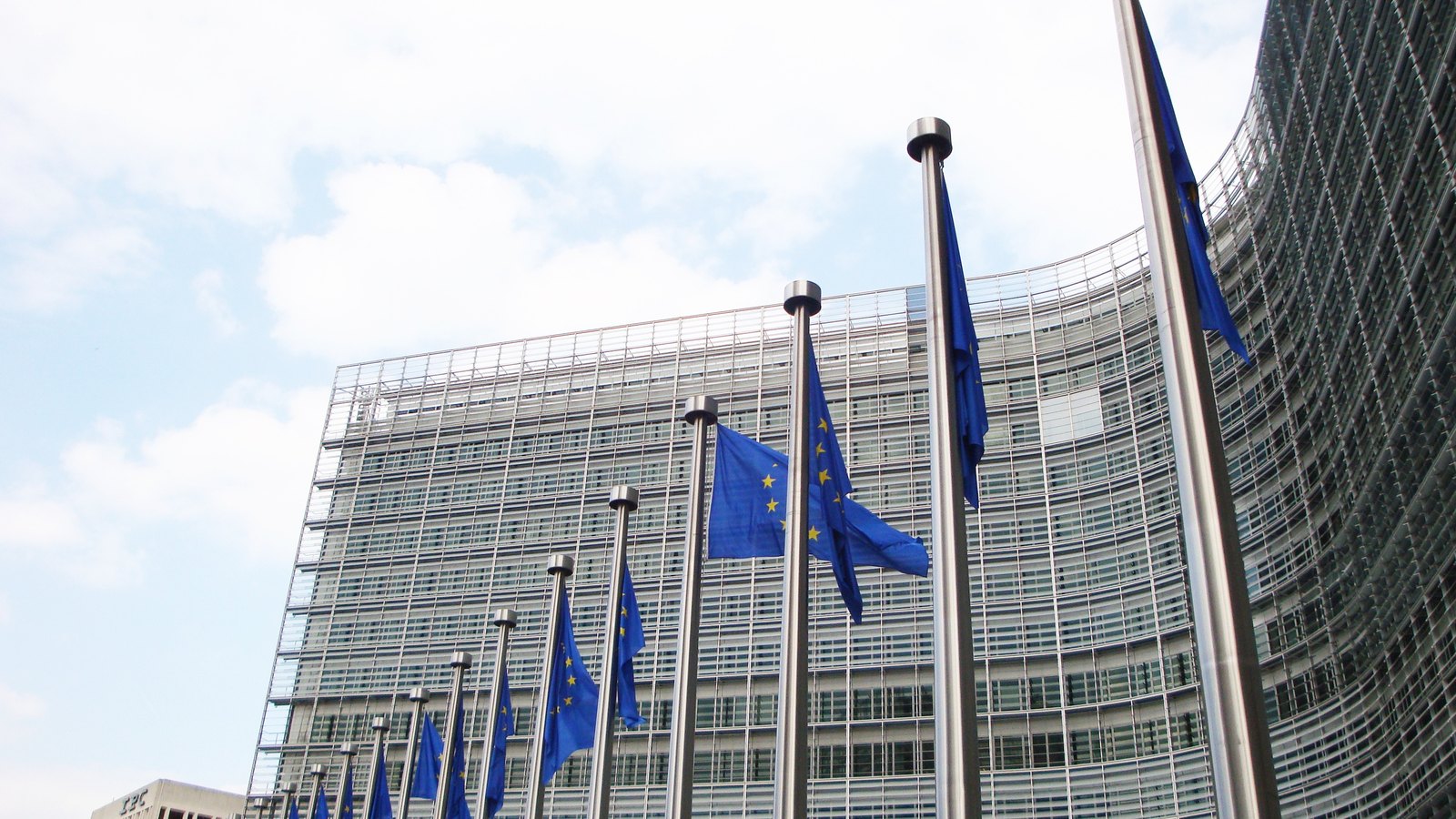
Header photo: European Commission in Brussels by Jai79, CC0, via Wikimedia Commons, cropped.
We use AI in our daily operations; posts are reviewed by people before publishing; automated/generated posts are marked as such where needed.