Romania’s central bank raises its inflation forecast on energy and fuel costs
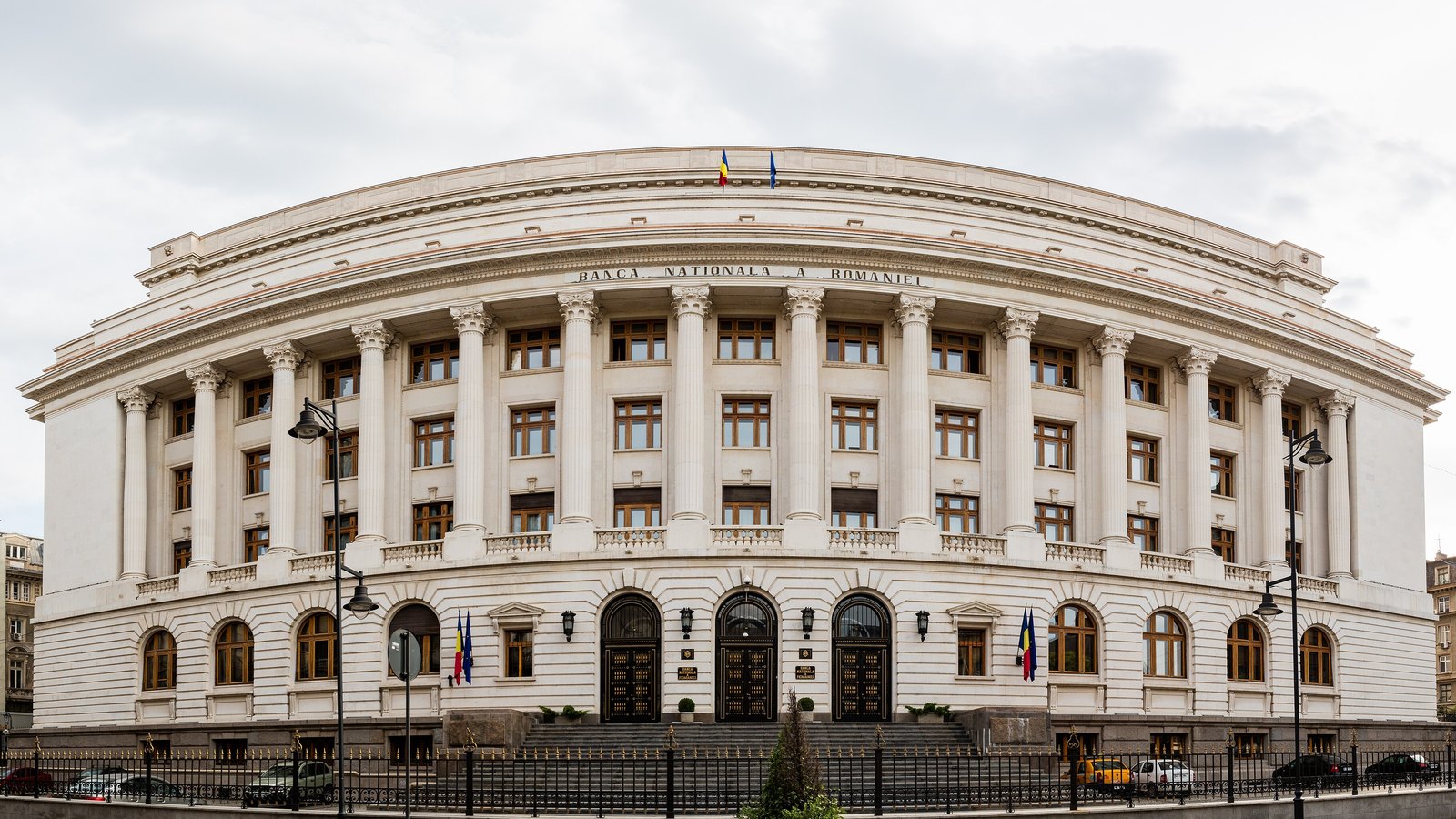
The National Bank of Romania (BNR) raised its inflation forecast on Monday, 16 November 2026. Governor Mugur Isarescu presented the revised outlook at the press conference for the bank’s quarterly Inflation Report, according to Digi24, HotNews.ro, Gazeta de Sud and Micportal. BNR now projects annual inflation of 7.4% at the end of 2026, up from 6.1% in its previous forecast, HotNews.ro and Gazeta de Sud reported. Isarescu linked the revision mainly to higher energy and fuel prices, Digi24 reported.
What BNR announced
Gazeta de Sud reported that the baseline scenario puts inflation at 7.4% at the end of 2026 (previously 6.1%) and at 3.7% at the end of 2027 (previously 3.4%). The projection horizon, September 2028, shows 2.5%, the outlet added. Micportal gave the same end-2026 and end-2027 figures.
Digi24 said BNR expects annual inflation to rise slightly until the end of this year and then fall almost continuously. Ziare.com, citing the Agerpres news agency, reported that the BNR path is visibly higher than in the previous forecast. The return to BNR’s target range has slipped by one quarter, to the first quarter of 2028, according to Gazeta de Sud. The target is 2.5% with a one-percentage-point band either way, per Micportal.
The latest data point is October, when annual consumer price inflation reached 6.94%, up from 6.61% in September, Digi24 reported. It linked the rise mainly to continued fuel price increases and to higher prices for vegetables, fruit and eggs.
The forecast uses information available up to 1 November, when crude oil traded above $100 a barrel, Digi24 and Micportal reported. Oil has since eased toward $90. Isarescu said it is not yet known whether that level will hold, according to Micportal.
At its 12 November meeting, BNR’s board left its main policy rate at 6.50%, Digi24 and Micportal reported. The lending facility rate stayed at 7.50% and the deposit facility rate at 5.50%. According to Digi24, Isarescu said the economy already has a major demand deficit, so tightening for a possibly marginal effect would be hard to justify, since prices depend heavily on energy.
Why it matters
Gazeta de Sud reported that roughly 80% of the upward revision for end-2026 comes from higher fuel, electricity and natural gas prices. The outlet cited disruptions in refined products, especially diesel, and a stronger dollar as reasons for the oil price rise. It also cited higher wholesale electricity prices and limited domestic production, made worse by a recent hydrological deficit, meaning low water levels.
Isarescu explained the mechanism in plain terms. When energy becomes more expensive, he said, the increase spreads through the economy, Digi24 reported. HotNews.ro added that higher energy costs are passing into other sectors and into core inflation. Gazeta de Sud added that higher prices reach consumers gradually, as suppliers renew their purchase contracts. Households are partly shielded for now by protection mechanisms and advance gas purchases, according to the same report.
Digi24 said core inflation, which strips out the most volatile items, is expected to fall but to stay higher than previously estimated, again because of energy and fuel. Services show the most persistent price increases, it added.
Isarescu also commented on the festive season. Prices will probably be “relatively stable or see normal increases” over the holidays, Gazeta de Sud and Micportal reported him as saying. He stressed that the issue is the consumer price index, not “price explosions,” according to Gazeta de Sud.
Weak demand is part of the picture. Ziare.com reported that BNR expects the shortfall in aggregate demand to deepen in the second half of 2026, reflecting budget correction and the energy crisis. Digi24 reported that private consumption fell more sharply in the second quarter, with lower purchasing power and less borrowing.
What the IMF remark means
In a separate Digi24 report from the same press conference, Isarescu rejected the idea that Romania is heading toward an International Monetary Fund financing deal. He said that the Fund comes when a country has a currency crisis and no reserves, and that this is not Romania’s case.
In plain language, the IMF is a lender that provides foreign currency to countries in balance-of-payments trouble. Isarescu described the arrangement as Romania depositing lei and receiving foreign currency in return, Digi24 reported. He said the country needs financing, but from foreign investment, European Union funds and international capital markets rather than from the Fund. He also said the IMF is in contact with Romania almost weekly, which does not mean a stand-by agreement is being prepared, according to Digi24.
What happens next
BNR’s next monetary policy meeting is scheduled for 19 January 2027, Ziare.com reported, citing Agerpres. The bank listed several risks to its outlook, according to the same report: future electricity prices, crude oil developments, the Middle East conflict and energy crisis, uncertainty over future budget measures, the use of European funds, and decisions by the European Central Bank and the US Federal Reserve. Created with AI assistance from the sources listed below.
Sources: 7.4% vs 6.1% end-2026, 3.7% end-2027, return to target band in Q1 2028, energy pass-through, holiday prices: BNR a urcat semnificativ prognoza de inflatie pentru sfarsitul anului, HotNews.ro, 2026-11-16.
Revised forecast, inflation path, October inflation of 6.94%, rates held at 6.50%, oil above $100 on 1 November, demand deficit, IMF-related context: BNR a revizuit in sus prognoza de inflatie, Mugur Isarescu: energia si carburantii au impins estimarile in crestere, Digi24, 2026-11-16.
IMF remarks, reserves, financing sources, weekly contact: Guvernatorul BNR respinge scenariul unui acord cu FMI, Digi24, 2026-11-16.
7.4% vs 6.1% end-2026, 3.7% vs 3.4% end-2027, 2.5% by September 2028, 80% share from fuel and energy, holiday prices: BNR majoreaza prognoza de inflatie: 7,4% la finalul lui 2026, Gazeta de Sud, 2026-11-16.
Same forecast figures, oil at $100 then $90, rates held on 12 November: BNR: prognoza de inflatie urca la 7,4% pentru finalul lui 2026, Micportal, 2026-11-16.
Header photo: Banco Nacional de Rumanía, Bucarest, Rumanía, 2016-05-29, DD 52-54 PAN by Diego Delso, CC BY-SA 4.0, via Wikimedia Commons, cropped; this crop is released under the same licence.
We use AI in our daily operations; posts are reviewed by people before publishing; automated/generated posts are marked as such where needed.