Cluj’s Market Culture: What to Buy at Piața Mihai Viteazul and When
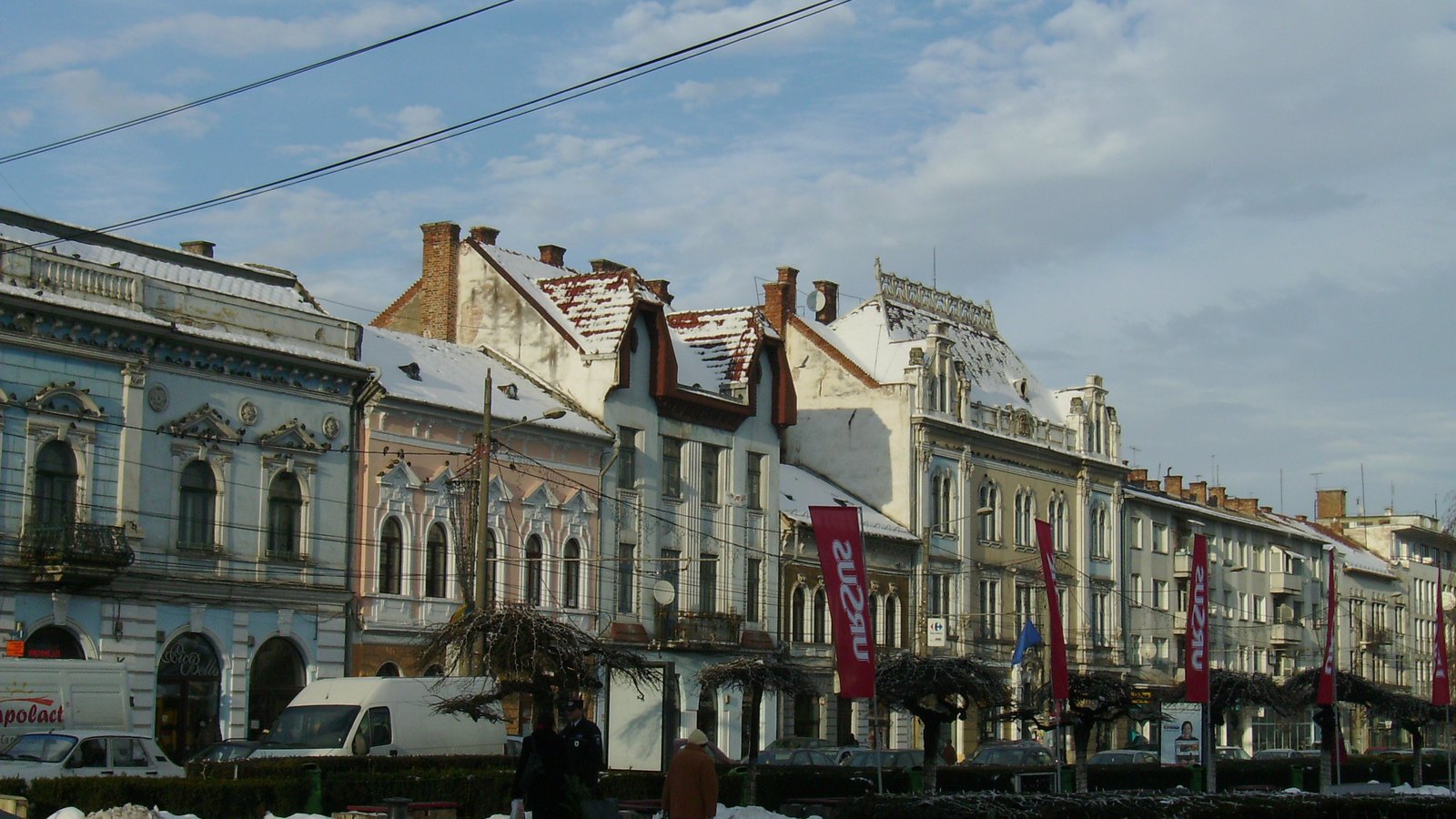
Piața Mihai Viteazul is not styled for visitors. It’s a working produce market in the middle of Cluj-Napoca, a few minutes’ walk from the historic centre, and most of the people filling its stalls on any given morning are locals doing their weekly shopping rather than tourists ticking off a sight. That’s exactly what makes it worth building a morning around — it’s the most direct way to see what the surrounding countryside is actually growing and selling this week.
The short version
- The market runs long hours, seven days a week, combining open-air stalls with an enclosed hall built during the communist era.
- What’s on the tables changes with the season — this is a market that rewards repeat visits across the year, not a one-off stop.
- Go early for the best selection, go late in the day if you want more room to negotiate on price.
- It’s a produce market first: fruit, vegetables, dairy, honey, preserves and flowers, not a souvenir stop.
A market with generations behind it
The square has functioned as a trading site since the early twentieth century, and the current setup layers an open-air market over a communist-period covered hall on the ground floor of the surrounding block. That mix — outdoor stalls run by individual growers alongside the more permanent indoor vendors — is part of what gives the place its texture. Prices and selection can vary noticeably between the two sections, and it’s worth walking through both before deciding where to buy.
What tends to be on the tables
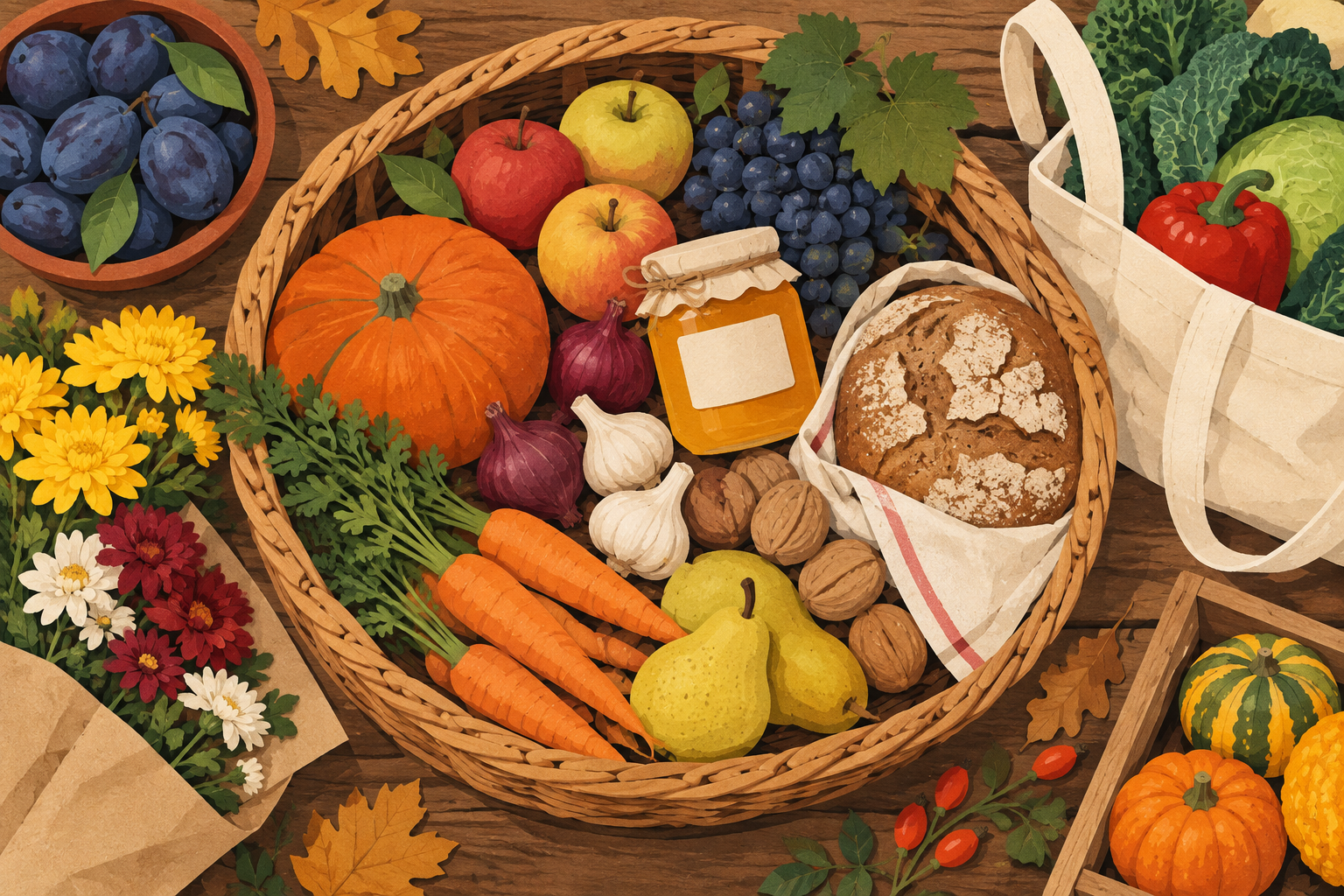
Expect the staples of a Transylvanian produce market: seasonal fruit and vegetables, dairy products from small producers, honey, homemade preserves, and cut flowers. A meaningful share of what’s sold comes from the villages around Cluj rather than from wholesale distribution, which is part of why the same stall can look different from one month to the next — it’s selling what actually came in that morning, not a year-round catalogue.
That seasonality is the real reason to treat this as a recurring stop rather than a single visit. Spring brings the first soft fruit and new-season greens; summer fills the stalls with tomatoes, peppers and stone fruit at their peak; autumn is when root vegetables, apples, pumpkins, and preserving season take over, alongside walnuts and late honey; winter thins the fresh produce but keeps the dairy, preserves and honey stalls going strong. Building a shopping habit around what’s actually in season — rather than a fixed list — is the closest thing to “market culture” the place has to teach.
Reading the rhythm of the day
Locals treat the market’s daily rhythm as common knowledge, and it’s worth adopting the same habits. Early morning is when the produce is freshest and the selection widest, before the best of any given batch sells out. Later in the day, especially as vendors are winding down, prices become more negotiable — worth knowing if you’re buying in bulk for preserving rather than picking up a single day’s groceries. Neither approach is “correct”; they simply serve different kinds of shopping trips.
Visiting without disrupting a working market
Because this is primarily a neighbourhood market rather than a tourist attraction, the most respectful way to visit is the same way a regular customer would: bring cash, bring a bag, and expect Romanian to be the working language at most stalls even if a few vendors manage some English. Photographing produce for your own memory is fine; treat photographing people the way you would anywhere — ask first. The market has occasionally made local news over hygiene inspections at the enclosed hall, as most urban food markets do from time to time; none of that changes the basic experience of the open-air stalls, which remain the heart of the place.
Sources: Market hours, layout, and produce sold: Cluj.com, Like A Local Guide.
Municipal regulation governing how Cluj-Napoca’s food markets are run: Primăria Cluj-Napoca.
Header photo: Côté nord de Piata Mihai Viteazul, Cluj by Cluj Napoca, CC BY 2.0, via Wikimedia Commons, cropped.
We use AI in our daily operations; posts are reviewed by people before publishing; automated/generated posts are marked as such where needed.