Moving to Cluj as a Foreigner: The Paperwork Nobody Warns You About
Cluj-Napoca has quietly become one of those cities people move to on purpose rather than by accident. A software engineer takes a role at a tech company with a Cluj office. A doctor joins a hospital or research team connected to the city’s medical university. An academic arrives for a postdoc. The job offer, the flat-hunting, the “what’s it actually like to live there” research — all of that tends to happen before anyone opens a browser tab for residence permits, apostilles or certified translations. Then the paperwork lands, usually in the first week, and it’s rarely explained anywhere in plain language.
None of it is unmanageable. Most of it just depends on things nobody tells you to check in advance: whether you’re an EU/EEA citizen or not, which authority handles your file, and whether your home-country documents are even usable in Romania in the form you brought them.
What to bring, not what to fetch later
The single most common mistake among new arrivals is treating documents as something to sort out “once I’m settled.” Birth certificates, marriage certificates, criminal record certificates and academic diplomas are dramatically easier to obtain, stamp and certify in your home country than to chase remotely once you’re in Cluj juggling a new job and a flat search. If there’s any chance an institution here will ask for one of these, bring the original — and bring it apostilled.
Why the apostille actually matters
An apostille is a certification, issued by a competent authority in the country where the document was originally issued, confirming that the document is genuine and that the signature and seal on it are real. It’s the mechanism that lets a Hague Convention country accept a foreign document without a longer, more expensive legalisation process. For Romanian institutions, an apostille is frequently what turns “a piece of paper from abroad” into something they’re willing to act on — for civil-status documents especially. If your home country isn’t part of the Hague Convention, the equivalent path usually runs through legalisation at a Romanian consulate instead, which is worth confirming before you travel, not after.
Registering your residence
This is where citizenship status actually changes the process. EU/EEA citizens register their residence with the relevant local authority after arriving, a comparatively light procedure. Non-EU citizens generally go through the General Inspectorate for Immigration for a residence permit, a process that typically needs to be initiated soon after arrival and depends on your purpose of stay — employment, research, family reunification and so on each follow a slightly different track. Either way, this step tends to unlock the personal numeric code (CNP) that Romanian bureaucracy quietly organises itself around — you’ll be asked for it opening a bank account, signing an employment contract, or registering with a GP.
Where certified translation comes in
Romanian institutions work from the Romanian text of a document, not the original language, however fluent the clerk’s English happens to be. Any foreign birth certificate, marriage certificate, criminal record certificate, diploma or academic transcript you present here will generally need a certified translation — done and signed by a translator authorised by the Romanian Ministry of Justice — sometimes alongside the apostille already mentioned, sometimes with an additional notarial step depending on which office is asking. Which combination applies to your specific document is genuinely worth confirming with the institution requesting it, since practice varies by office and by case; nobody outside that office can give you a fully reliable answer in advance.
The practical order of operations
Gather the originals before you leave. Apostille what needs apostilling while you’re still in a position to visit the right office easily. Arrive, register your residence, and get the certified translations done locally once you know exactly which documents each institution wants. It’s a sequence, not a single afternoon’s errand — but it only has to happen once. If you’d rather talk through which of your documents need translating before you start queueing at any given office, TransMondo’s team in Cluj is a reasonable first call — they’ve been doing certified translations for exactly this kind of move since 1998.
Sources: Practical details: TransMondo.
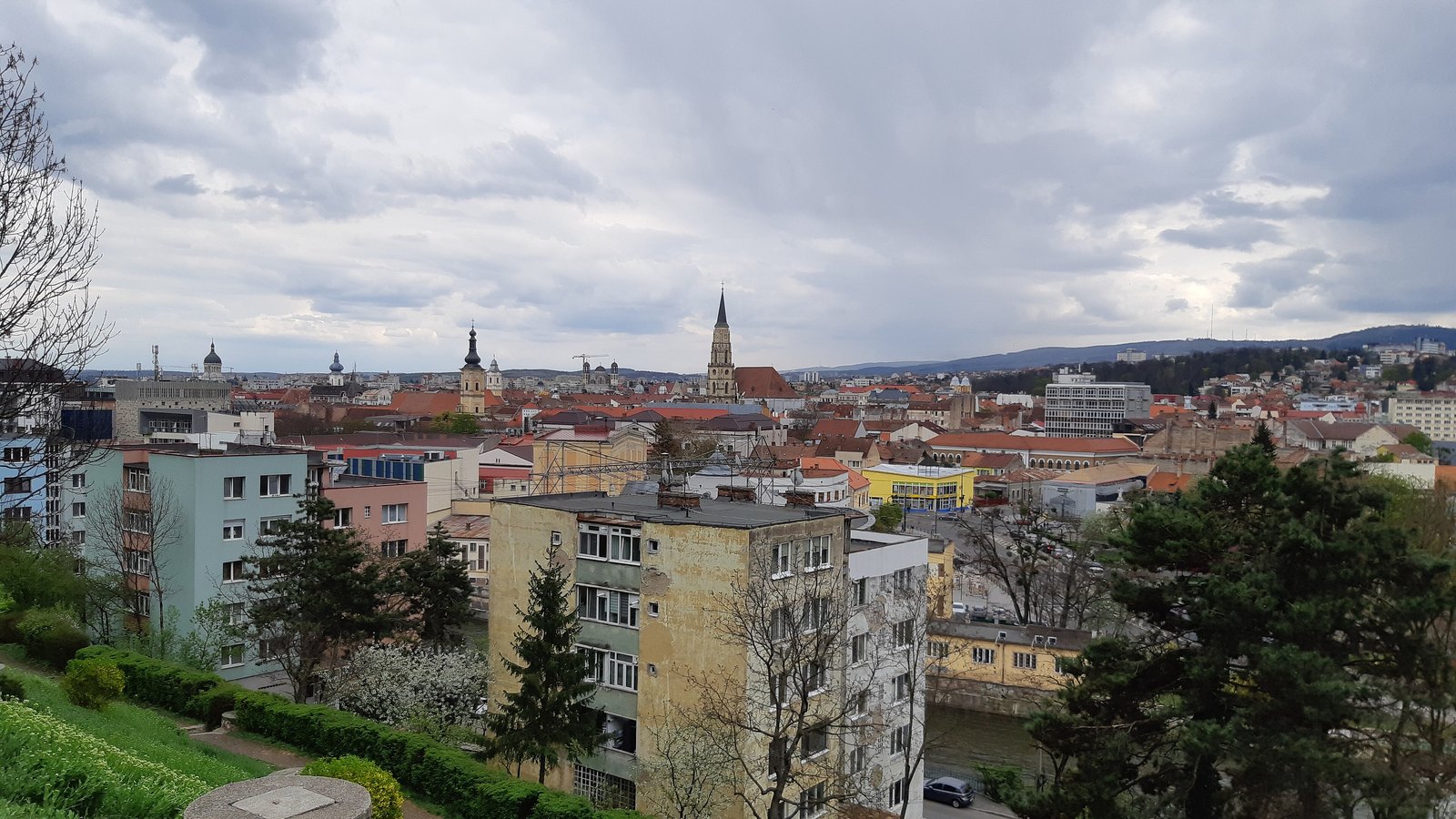
Header photo: Roumanie Cluj 2019 3 by Ronan2019, CC0, via Wikimedia Commons, cropped.
We use AI in our daily operations; posts are reviewed by people before publishing; automated/generated posts are marked as such where needed.