Trump’s Russia diesel deal and energy ceasefire, and why analysts are sceptical
In the space of three days, US President Donald Trump announced a deal to bring Russian diesel to the world market and then declared an “energy ceasefire” between Russia and Ukraine. Both moves are aimed at the same problem: fuel prices that have climbed to records during the US war with Iran. Analysts quoted by CNBC on Monday said the volumes involved are too small to change much.
What Trump announced
On Friday, 9 October, Trump said he had struck a deal with Russian President Vladimir Putin during a phone call. According to CNBC, Russia is to release 300,000 metric tons of diesel to the US and global markets immediately, another 500,000 tons in November and 1 million tons after that. Moscow would then deliver a further 3 million tons depending on the condition of its refineries, Trump said.
The US Treasury has issued a temporary licence easing sanctions on Russian diesel so the deal can go ahead, CNBC reported.
On Sunday, 11 October, Trump went further. “Effective immediately, there is an ENERGY CEASEFIRE in the War between Russia and Ukraine. Both parties have agreed. Do not break it!” he wrote on social media. He gave no details, and the White House referred CNBC back to the post when asked for more information.
What Ukraine and Russia have said
Ukrainian President Volodymyr Zelenskyy said: “Ukraine supports the ceasefire, and it is important that Russia support it as well.” He added: “We are awaiting details from the American side.”
Earlier in the week, Zelenskyy had said Ukraine would stop attacking oil refineries only if Russia halted its attacks on Kyiv’s electricity grid, according to CNBC.
CNBC reported that it was unclear whether either side had agreed to a truce, and that Russia struck a power plant shortly after Trump’s announcement.
Why diesel is the pressure point
Diesel prices in the United States hit a record average of $6.5276 a gallon in late September, according to AAA figures cited by CNBC, as the wars in Ukraine and the Middle East cut into supply.
The timing is political as well as economic. Congressional midterm elections are in November, and the Pew Research Center found that 84% of registered voters say the economy is “very important” to their vote, CNBC reported.
Why analysts are sceptical
“While more supply of diesel would … ease some pressure on diesel prices, the volumes agreed are unlikely to make a substantial difference,” Mohit Kumar, chief European economist at Jefferies, said in a note on Monday. He added that the deal “has drawn opposition both from within the US and from European leaders, as it would be bypassing the Russian sanctions in place”.
Neil Atkinson, former head of the oil division at the International Energy Agency, put numbers on it. The first 300,000 tons amount to about 70,000 barrels a day over a month, he told CNBC, while “the US uses 3.7 million barrels a day of diesel. The world uses 29 million barrels a day of diesel.” Before the war, he said, the Middle East Gulf exported nearly 1 million barrels a day of diesel, most of which is still lost.
Analysts at Lombard Odier were more open to the idea that the agreement matters, calling it “potentially significant” alongside Chinese plans to resume refined-fuel exports. But they cautioned that “announced shipments are not equivalent to delivered supply”.
How the oil market reacted
Oil fell after the ceasefire declaration and then recovered. Early on Monday, Brent crude for December delivery was up 0.92% at $105.68 a barrel and US West Texas Intermediate for November was up 0.95% at $92.72, after both had been down around 1.5% earlier in the session, CNBC reported.
What to watch
Three things will show whether the announcements change anything: whether Russia publicly confirms the energy ceasefire and stops strikes on Ukraine’s grid, whether the first 300,000 tons of diesel are actually delivered, and whether US diesel prices move off their record.
Sources: The text of the ceasefire declaration, the White House response and Zelenskyy’s statements: Trump declares ‘energy ceasefire’ between Russia and Ukraine — CNBC, 11 October 2026.
The diesel volumes, the Treasury licence, diesel price and polling figures, and the analyst comments: Trump’s diesel deal offers little price relief ahead of midterms — CNBC, 12 October 2026.
Oil prices on Monday: Oil prices today: Brent, WTI rise — CNBC, 12 October 2026.
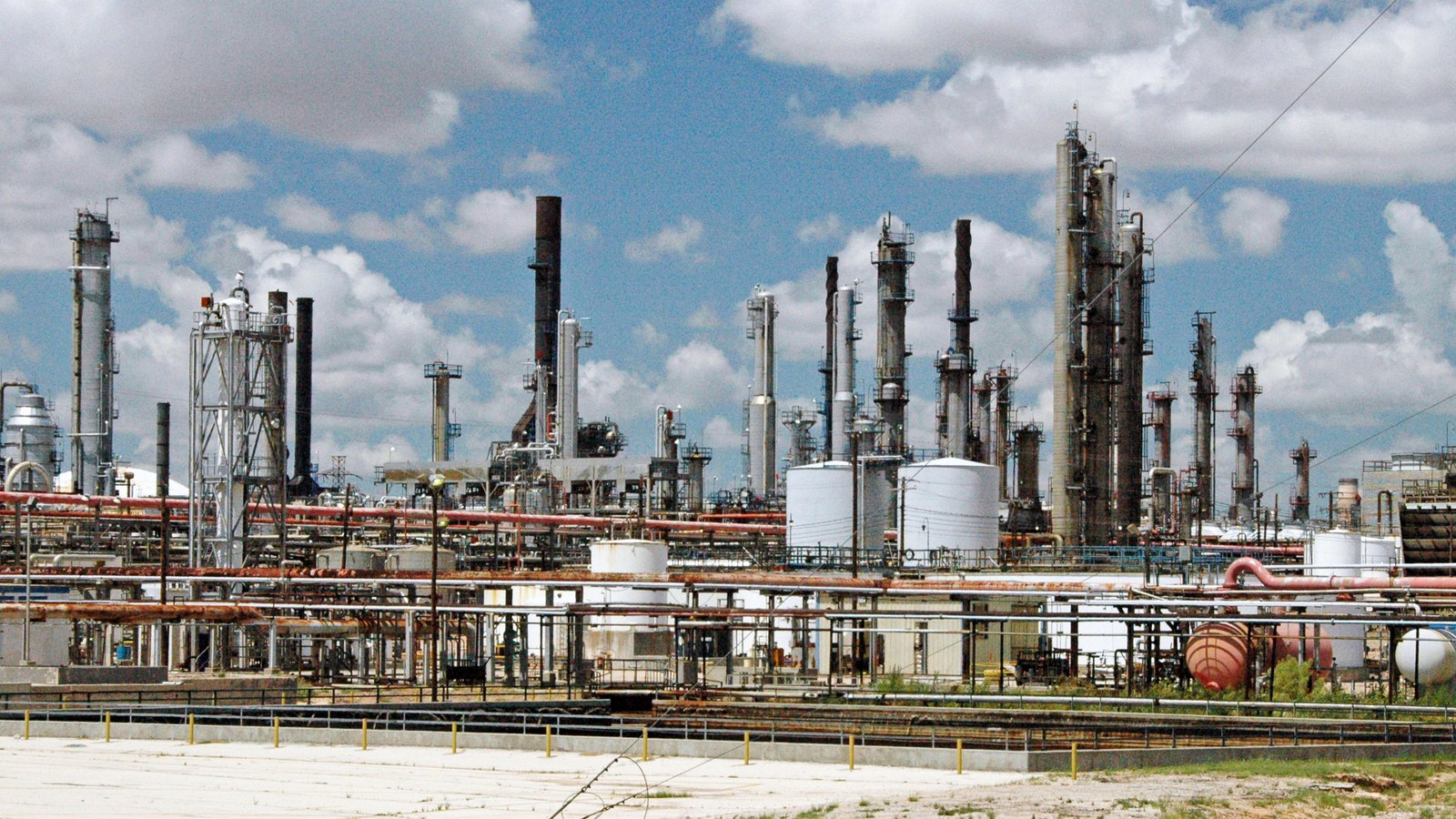
Header photo: Big Spring Refinery (Big Spring, Texas, USA) 2 (48916278253) by James St. John, CC BY 2.0, via Wikimedia Commons, cropped.
We use AI in our daily operations; posts are reviewed by people before publishing; automated/generated posts are marked as such where needed.