Bottle deposit in Romania (RetuRO) in 2026: how the 0.50 lei SGR deposit works and where to return
Since 30 November 2023, most drinks in Romania sold in plastic, glass or metal containers of 0.1 to 3 litres carry a deposit of 0.50 lei per container. You pay it at the till and get it back in full when you return the empty container at any return point in the country. You do not need the receipt, and the shop does not need to be the one where you bought the drink. Return machines pay out a voucher (or a bank transfer); manual return desks can also pay cash. The system is called SGR (sistemul de garanție-returnare) and is run by RetuRO Sistem Garanție Returnare SA. This guide is general information, not legal advice. Rules change, so confirm with RetuRO or the shop’s return point.
The legal basis and the version we read
The scheme is set by Government Decision (Hotărârea Guvernului, HG) 1074/2021, republished in 2022. We read the consolidated HG 1074/2021 on the Portal Legislativ in its version of 2 November 2026, which includes the latest amendment, HG 951/2026. Article 10(1) makes the system mandatory for all producers and retailers from 30 November 2023, for Romanian and imported drinks alike.
Which containers carry the deposit
Annex 1, point 1(b) of HG 1074/2021 defines the covered packaging as single-use primary containers (ambalaje primare nereutilizabile) that are:
- made of glass, plastic or metal;
- between 0.1 litres and 3 litres inclusive;
- used for beer and beer mixes, alcoholic mixed drinks, cider and other fermented drinks, juices, nectars, soft drinks, mineral water and drinking water of any kind, wine and spirits.
So a beer can, a plastic water bottle and a glass wine bottle are all in.
Annex 1, point 1(b) also lists what is not covered: drinking cups, pouches (flexible layered bags), bag-in-box drinks, and any container that cannot keep its shape once empty. Cartons are not in the material list, and in the version we read milk is not among the drink types.
How to recognise an SGR container: the logo
Article 24 of HG 1074/2021 requires producers to mark every covered container with:
- a single national SGR symbol, a trademark owned by the environment ministry, printed on the container, its label or an extra label;
- a national barcode linked to the SGR packaging register.
RetuRO’s consumer FAQ calls the symbol Ambalaj cu garanție (“packaging with deposit”). Only containers with the symbol carry the deposit and get it back. Older unmarked stock could be sold only until 30 June 2025, after which its sale is banned (Article 10(6), as amended by HG 1709/2024). In 2026 a covered drink on the shelf should therefore carry the logo.
The deposit: 0.50 lei, shown separately
Article 12(5) of HG 1074/2021 sets the deposit (garanția) at 0.5 lei for all types of SGR packaging. Under Article 12(6)-(7), RetuRO can ask the environment ministry to change it, including by material, but a change needs a new Government decision. In the version we read (2 November 2026), the amount is still 0.5 lei.
Article 12(1) says the deposit is separate from the price and is refunded in full when you return the container. On the receipt and the shelf:
- Article 6(1)(b) requires shops to show the deposit separately from the price, both on the shelf label and on the fiscal receipt (bon fiscal). A six-pack of cans should show 3 lei of deposit as its own line or amount.
- Article 12(9) says that if you send back an order (for example an online purchase), the refund of the price includes the deposit.
- For VAT, the deposit is not treated as payment for a sale. Article 315^5(2) of the Fiscal Code (Law 227/2015), consolidated version of 25 October 2026, says the SGR deposit is not consideration for a supply in the scope of VAT.
Where you can return containers
Under Article 6(1)(h)-(i) of HG 1074/2021, retailers (comercianți) that sell SGR drinks must run return points (puncte de returnare). They must accept all SGR containers and refund the deposit at the moment of return. The key consumer rules in Articles 13 and 14:
- A return point must accept SGR containers wherever the drink was bought. It cannot ask for the receipt (Articles 13(1) and 14(1)).
- You can use any return point in Romania (Article 14(1)).
- The return point is inside the shop or within 150 metres of it, with at least the same opening hours (Article 13(3)).
- Shops must display which products are in the system, the deposit amount, the return point’s address and hours, whether returns are manual or by machine, how you get paid, and when a return can be refused (Article 6(1)(g)).
Some sellers are exempt from running their own return point:
- Online-only sellers (Article 17(2)).
- HoReCa businesses: hotels, restaurants, cafés and other food-service operators (Article 17(5); Annex 1, point 1(g)).
- Sellers that sell drinks only through vending machines (Article 17(6)).
- Small shops under 200 square metres can share a joint return point with other small shops or set one up with the town hall. It must then be within 500 metres in rural areas and 150 metres in towns (Article 17(7)-(8)). A small shop that relies on a return point run with the town hall must display the notice “Acest magazin nu funcționează ca punct de returnare a ambalajelor” (“This shop does not operate as a packaging return point”) and say where the nearest one is (Article 6(2)).
In cafés and bars, Article 17(3) says the deposit is charged only on drinks you take away, not on drinks consumed on the premises.
Machine or counter: how you get the money back
Article 14(2) of HG 1074/2021 sets the refund method by type of return point:
- Return machine (echipament automat de preluare, often called an RVM): you get a voucher. You can exchange it for cash or spend it on shopping with the same retailer that runs the machine, within 12 months of its issue. You can ask for a bank transfer instead.
- Manual return at a counter: you get the deposit in cash, by voucher or by bank transfer.
In both cases a bank transfer happens only if the retailer agrees, and you pay the bank charges.
Since HG 951/2026, the value of vouchers that expire unused counts as an unclaimed deposit (Article 12^1(1) and Annex 1, point 1(s)). Article 19(6) says such income may be used only to run the system.
Condition rules: crushed, damaged or full containers
Under Article 14(3) of HG 1074/2021, a return point must take the container and refund the deposit if it meets all of these conditions:
- the SGR symbol and barcode are present and visible or legible;
- it is returned whole, and is not damaged or deformed so much that its SGR status cannot be established;
- it is completely empty;
- if the producer has stopped selling that product, it is returned within 24 months of RetuRO’s notice of that on its website.
If any condition fails, the return can be refused. RetuRO’s consumer FAQ is stricter in its advice: containers should not be broken, flattened or pressed, and the label must be visible and intact. It warns that leftover liquid changes the weight and can make the machine reject the item. In short, RetuRO asks for containers that are not crushed.
On quantity, RetuRO’s FAQ says there is no set maximum number of containers per return. In the version we read, HG 1074/2021 does not set a limit either.
Who runs the system: RetuRO
Article 18 of HG 1074/2021 says the SGR administrator is a single national Romanian joint-stock company (societate pe acțiuni), set up only to run and finance the system. Under Article 19(5), the Romanian state, through the environment ministry, holds 20% of the shares. Producers’ associations hold up to 75% and retailers’ associations up to 25%.
On its About RetuRO page, RetuRO Sistem Garanție Returnare SA describes itself as the designated administrator, owned by three private shareholders and the state. It says it runs on a not-for-profit principle and reinvests any profit in the system. Its home page gives a return rate above 85% for January-September 2026. The legal targets for 2026 are 85% for glass and 90% for plastic and metal (Article 4(2)(c)). RetuRO’s call centre is 031 9003, Monday to Friday 9:00-17:30, according to the contact details on returosgr.ro.
If a shop refuses or overcharges: retailer obligations and fines
Article 25(3) of HG 1074/2021 sets these fines for shops:
- Not accepting SGR containers or not refunding the deposit at return (Article 6(1)(i)): 8,000 to 16,000 lei.
- Not showing the deposit separately from the price (Article 6(1)(b)): 16,000 to 30,000 lei.
- Not organising a return point, or refusing containers bought elsewhere (Articles 6(1)(h) and 13(1)): 20,000 to 40,000 lei.
Under Article 25(4)(c), the consumer protection authority ANPC checks the consumer-facing duties: deposit display, in-store information and taking back containers. The National Environmental Guard (Garda Națională de Mediu) checks most of the other duties under Article 25(4)(a).
Recent changes, 2024-2026
The consolidated HG 1074/2021 records these amendments:
- HG 580/2024 (published 31 May 2024): updated the marking rules (symbol plus barcode) and the condition list for refunds (Articles 14(3) and 24(1)).
- HG 1709/2024 (published 31 December 2024): set 30 June 2025 as the last date for selling unmarked stock (Article 10(6)).
- HG 659/2025 (published 18 August 2025): repealed one administrator obligation, Article 23(9^1).
- HG 951/2026 (published 2 November 2026): added rules on unclaimed deposits, including expired vouchers (Article 12^1).
None of these changed the 0.50 lei deposit or the 0.1-3 litre range. In the version we read, the HoReCa and online-sales rules in Article 17 carry no amendment later than November 2023.
The deposit is refunded when the container comes back, so it is not a lasting cost. For the costs that are, see cost of living in Bucharest vs Cluj-Napoca and utilities in Romania in 2026.
Checklist
- The Ambalaj cu garanție logo: glass, plastic or metal, 0.1-3 litres, drinks only.
- A 0.50 lei deposit per container, shown separately on the shelf and the receipt.
- Containers whole, empty and with the label intact, not crushed.
- Any return point in Romania; no receipt needed.
- Machine voucher: cash or shopping at the same retailer within 12 months. Counter: cash, voucher or bank transfer.
- Small shops, cafés, online-only and vending sellers may not take returns; a small shop using a town-hall return point displays a notice with the nearest point.
- Refusing a valid container is a matter for the consumer protection authority ANPC (Article 25(4)(c)).
Sources: SGR scope, start date, deposit value, return points, refunds, conditions, exceptions, administrator, marking, fines (Articles 4, 6, 10, 12, 12^1, 13, 14, 17, 18, 19, 24, 25; Annex 1): Hotararea Guvernului nr. 1074/2021 privind stabilirea sistemului de garantie-returnare pentru ambalaje primare nereutilizabile, republicata, forma consolidata – Portal Legislativ (Ministerul Justitiei), version of 2 November 2026.
VAT treatment of the SGR deposit (Article 315^5): Legea nr. 227/2015 privind Codul fiscal, forma consolidata – Portal Legislativ (Ministerul Justitiei), version of 25 October 2026.
Logo name, container condition, no quantity limit, no receipt, refund options (consumer FAQ): Intrebari frecvente – consumatori – RetuRO Sistem Garantie Returnare SA, accessed 4 November 2026.
Return rate January-September 2026, call centre: RetuRO home page – RetuRO Sistem Garantie Returnare SA, accessed 4 November 2026.
Company status and shareholders: Despre RetuRO – RetuRO Sistem Garantie Returnare SA, accessed 4 November 2026.
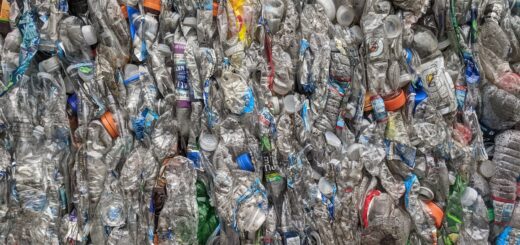
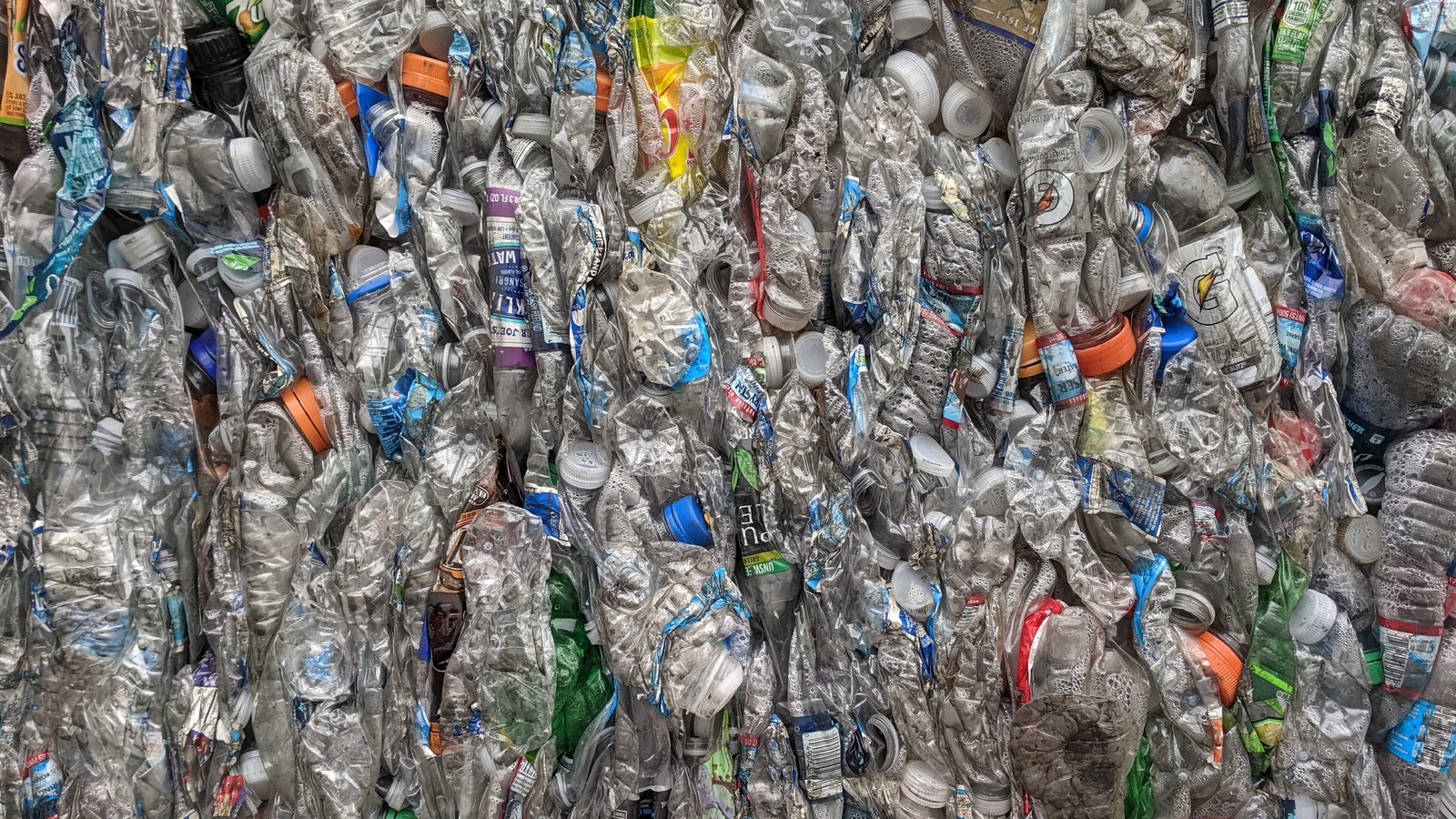
Header photo: Bales of PET bottles closeup by Grendelkhan, CC BY-SA 4.0, via Wikimedia Commons, cropped; this crop is released under the same licence.
We use AI in our daily operations; posts are reviewed by people before publishing; automated/generated posts are marked as such where needed.